

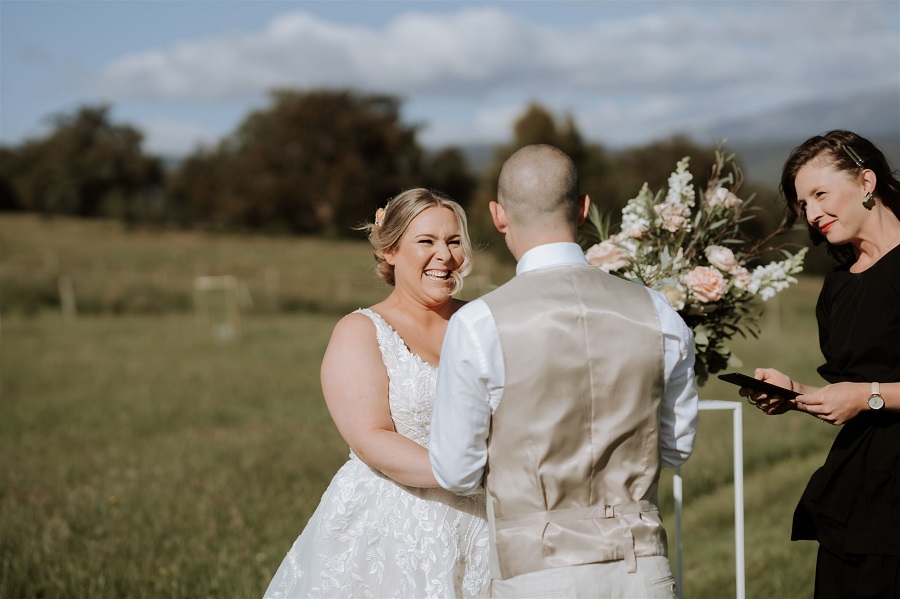
The initial days following an engagement are almost always characterized by a whirlwind of excitement, congratulations, and well-meaning inquiries. Friends and relatives immediately ask about the venue, the season, the bridal party, and the aesthetic theme. In this heightened emotional atmosphere, couples often feel an unspoken pressure to start executing immediately. They browse venue listings, schedule catering tastings, and find themselves tempted to place down non-refundable deposits simply to lock in a date on the calendar.
Jumping straight into logistics before establishing philosophical alignment is one of the most common and costly mistakes an engaged couple can make. A wedding is not merely a single party; it is a complex, high-stakes project involving substantial financial capital, intricate family dynamics, and deeply rooted personal values. When partners commit to vendors, dates, and locations without first clarifying their individual expectations, they set the stage for avoidable friction. Discussing fundamental desires, boundaries, and priorities early transforms what could be a chaotic, high-stress endeavor into a unifying collaborative milestone.
The Danger of Implicit Assumptions
Most people enter wedding planning carrying an unexamined, internal script. This script is quietly authored over decades by childhood memories, regional customs, social media exposure, and the cultural norms of their immediate social circle. One partner may envision an intimate, barefoot gathering of thirty close friends at an off-grid mountain cabin, assuming that low-stress authenticity is the obvious goal. Meanwhile, the other partner may have always assumed a formal ballroom celebration with two hundred guests, multi-course dining, and a twelve-piece live band as the standard benchmark of marital celebration.
The hazard lies not in the differences between these two visions, but in the silence surrounding them. When assumptions remain unspoken, each partner unconsciously treats their personal preference as the default baseline.
When logistical realities force those contrasting scripts into the open—often across a vendor desk or during a high-stakes family dinner—the resulting disagreement feels less like a logistical adjustment and more like an emotional betrayal. Discussing expectations before signing contracts allows couples to identify divergent priorities while stakes are still low and creative possibilities remain wide open.
Financial Architecture and the Politics of Support
Nowhere is early alignment more vital than in defining the financial parameters of the celebration. Money is notoriously difficult to navigate, yet weddings force a collision between personal savings, lifestyle ambitions, and economic realities.
Defining the Total Expenditure Ceiling
Discussing the budget requires more than stating a vague, round number. It demands a realistic look at available liquid assets, discretionary income, and personal risk tolerance. Couples must candidly address foundational questions:
-
Are we willing to draw down long-term savings, or will this celebration be funded strictly out of incoming monthly cash flow?
-
Does spending a significant sum on a single day compromise our broader life objectives, such as purchasing a home, funding continuing education, or investing in retirement?
-
What is our designated contingency buffer for unforeseen expenses like service charges, local permit fees, and vendor tipping?
Establishing a hard, mutually agreed-upon expenditure ceiling before visiting venues prevents the emotional heartbreak of touring properties that quietly exceed your financial comfort zone.
Managing Outside Financial Contributions
Financial support from parents or relatives rarely arrives without emotional undercurrents. While generous gifts are invaluable, they often come with unstated expectations regarding the guest list, religious rituals, or overall aesthetic direction.
Before accepting a financial contribution from family members, partners must decide together how much outside influence they are willing to welcome into the planning process. If accepting monetary aid means relinquishing control over who attends or how the ceremony is structured, couples need to know that trade-off upfront. Deciding whether you prioritize absolute creative autonomy or financial subsidization preserves relational peace with each other and your extended families.
Curating Scale, Atmosphere, and the Guest List
The size of a guest list is the single most powerful lever dictating the cost, tone, and operational complexity of an event. Every additional attendee compounds expenses across catering, rentals, floral centerpieces, paper goods, and venue capacity requirements.
When couples fail to establish parameters around guest selection early, the list inevitably bloats. Parents submit expansive rosters of distant colleagues, acquaintances assume invitations, and partners realize too late that they hold fundamentally different views on who belongs in the room.
Couples should establish clear selection criteria before drafting individual names. For instance, you might agree that an invitee must have spent personal time with both partners within the past eighteen months, or that professional acquaintances will be politely omitted. Agreeing on the relational threshold prevents defensive arguments over individual guests later on, grounding the decision-making in a shared, neutral standard.
Creating a Practical Decision-Making Matrix
To prevent decision fatigue throughout the months ahead, couples should establish a structured method for evaluating vendor proposals and allocating funds.
One of the most effective practices is the top three priorities exercise. Each partner independently identifies the three elements of the celebration that matter most to them personally. For one person, it might be world-class photography, an open bar with craft cocktails, and an exceptional live band. For the other, it might be an architectural venue, sustainable floral design, and a custom designer wardrobe.
By comparing these lists, the couple discovers where their values overlap and where they can compromise. The items that rank high on both lists receive the lion’s share of the budget and creative focus. Conversely, elements that neither partner prioritizes—such as elaborate paper invitations, bespoke party favors, or luxury transportation—can be simplified or eliminated entirely. This alignment frees up both mental space and capital for what genuinely matters to the couple.
The Wedding as a Crucible for the Marriage
A wedding is a substantial public celebration, but the process of planning it is something far more enduring: an authentic diagnostic test for the marriage itself.
The challenges encountered throughout planning mirror the complex dilemmas that couples will face across decades of shared life. Managing the budget reflects future household financial stewardship. Navigating competing parental desires tests your ability to form a united front and establish healthy family boundaries. Resolving creative disagreements cultivates the patience, emotional regulation, and compromise necessary to weather major life transitions.
When couples rush past expectations to chase aesthetic milestones, they forfeit an invaluable opportunity to strengthen their partnership. By stepping back, speaking with unreserved honesty, and aligning your values before signing a single agreement, you ensure that the process of planning your wedding builds the foundation for an exceptional marriage long after the music fades.

Comments are closed.